In February 2025, the State Government introduced Low-to Mid-rise planning changes, allowing 4-6 storey residential apartment buildings on properties zoned R3 & R4 within 800 metres of the Town Centres across the Sydney Metro area and parts of Wollongong & Newcastle.
The Department of Planning, Housing & Infrastructure implemented the LMR legislation to address the chronic housing shortage across the State and Councils’ failure to meet their density and new dwelling targets.
Since the LMR legislation was introduced, many Councils and communities have pushed back on the changes.
Some Local Councils such as Mosman Council, believe the locations the State Government have legislated for the LMR are not appropriate for development.
Proposed Changes by Mosman Council
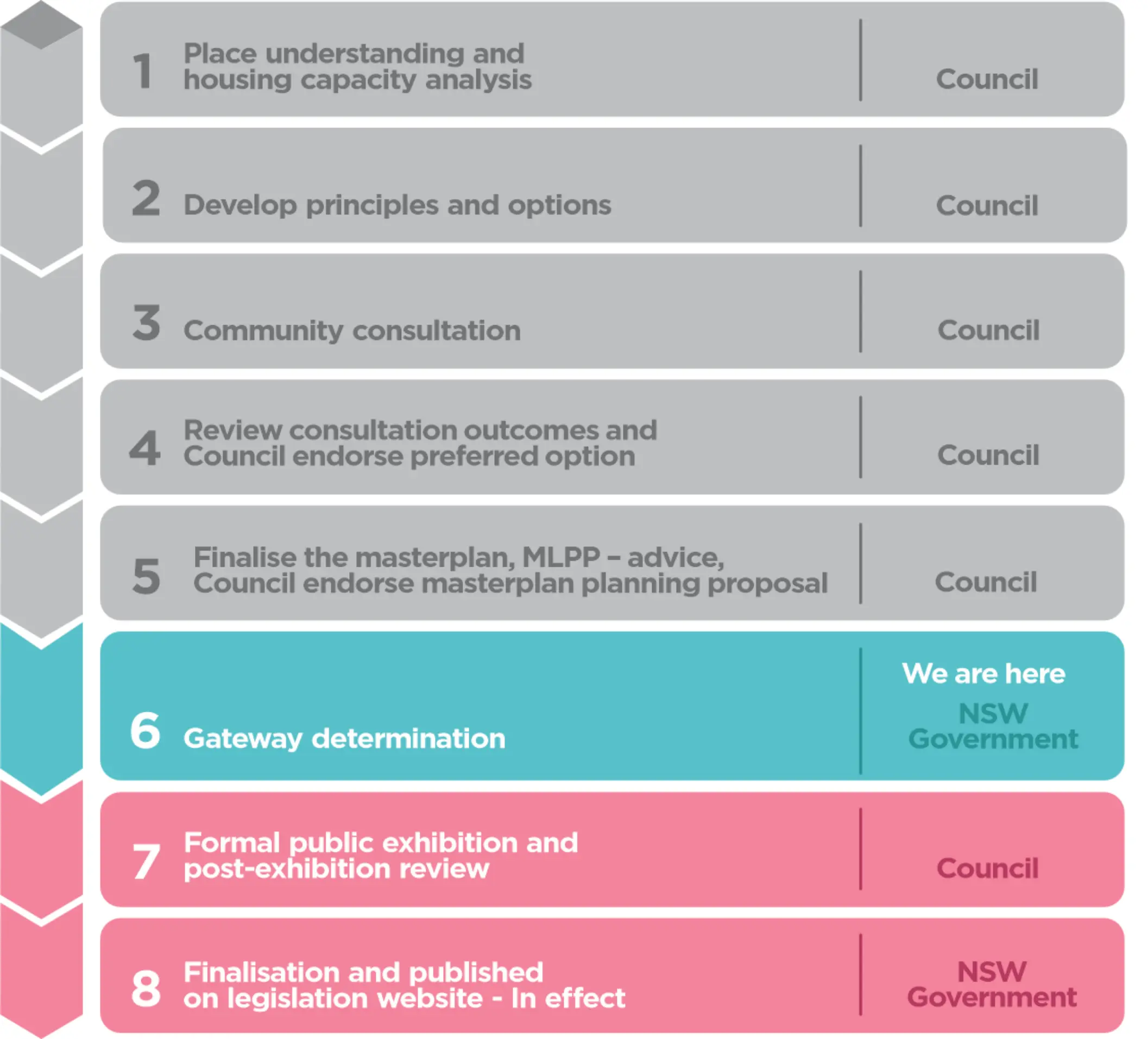
Mosman Council has advertised 2 alternative zoning plans and sought significant community feedback, and has now settled on a Draft Masterplan and Draft Affordable Housing Contributions Scheme, after endorsement by Council on 26th August 2026, now formally lodged with the NSW Department of Planning, Housing and Infrastructure for Gateway Determination.
The NSW Government will now determine whether the Draft Masterplan can progress to formal public exhibition, giving residents and the community another opportunity to provide feedback before any decisions are made.
The process will then require significant work between NSW DPHI and Mosman Council if the LMR legislation in place is to be changed.
Meanwhile, applications are being lodged across Sydney under the Low to Mid Rise Housing Delivery Authority for larger projects over 100 dwellings, as well as larger projects considered State Significant Development.
Current Status
Approvals are currently being obtained through Mosman Council and other planning pathways. The Land & Environment Court of NSW is now hearing appeals under the Low-Mid Rise Planning Reforms. Important judgments by Council and the LEC are providing more clarity around the LMR approvals process.
We have observed that multiple Councils and communities have resigned themselves to the fact that additional housing and medium density are required in their local area. The consistent feedback we have seen is concern that infrastructure in these areas needs significant improvement to accommodate additional density, traffic, transport, schools, and hospitals, to name a few.
We will continue to watch this important space that will undoubtedly shape our future suburbs for the next 30 years.
Please contact our team if you have any questions about the zoning changes in our Lower North Shore community.


